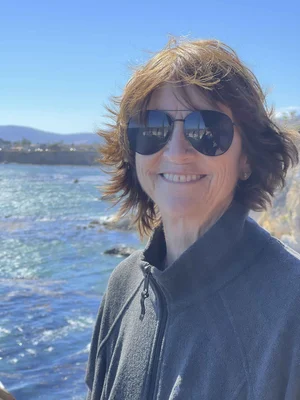

São Paulo, Brazil
São Paulo is the capital of Brazil and home to 22M people, a Step 5 destination.
São Paulo is worth seeing for women who like culture, neighborhoods, museums, and food, but it is not the easiest first-choice city in South America for a solo woman over 50. It can feel gray, crowded, and tiring. The traffic is real. The scale is real. The safety concerns are real. But if you stay in the right area, move with intention, and do not try to conquer the whole city, you can have a rich two-day visit that feels strong, smart, and independent.
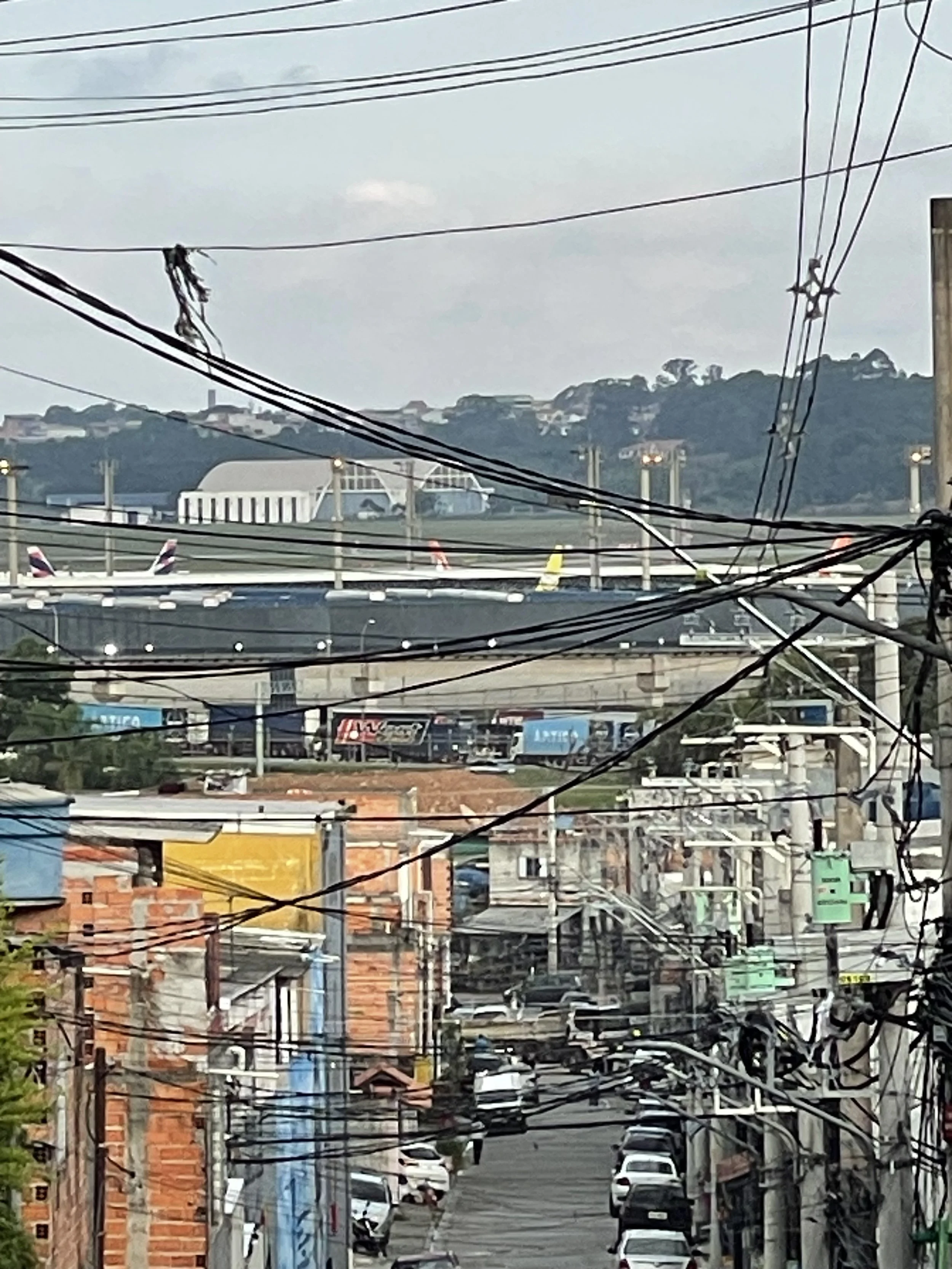
Where I stayed in São Paulo, Brazil. The airport is in the background.
I booked a cheap place on a travel website in São Paolo near the airport. Listen to my mistakes at the end for why not to do that.
If you just arrived, you may want to take the metro into town. Get a 24-hour pass for about $.-5
Or just buy individual tickets. Metro here is free for people over 60, so just show your passport upon arrival at the station. I have a story at the end about that also.
If you are planning to go, here is a 2-day itinerary, along with a few of my comments.
Day 1: Start with the easier parts of the city
Morning: Avenida Paulista and MASP area. Begin on Avenida Paulista because it is one of the city's best-known and most practical starting points for a solo visitor. It is central, busy, and lined with museums, cafes, shops, and hotels. MASP is one of the city's landmark museums and a strong anchor stop, rather than just wandering without a plan. São Paulo's official visitor materials also highlight Paulista as one of the city's defining areas.
Midday: Long lunch instead of overpacking the day Do not try to "do São Paulo" in one sweep. Build in a proper lunch near Paulista or Jardins. This city can wear you out. Traffic, sidewalks, noise, and decision fatigue are real.
Afternoon: Parque Ibirapuera Head to Ibirapuera Park for a calmer second half of the day. Official city materials list it as one of the major attractions, and it is a better late-afternoon choice than venturing deeper into more chaotic areas when your energy is lower.
Evening: Dinner close to your hotel. This is where I would be critical. São Paulo is not the city where I would tell a solo woman to "go out and see what happens" at night. Have dinner in a well-reviewed area near where you are staying, and use a car service back if needed.
Day 2:
Morning: Liberdade. Liberdade is one of São Paulo's signature neighborhoods and offers a different side of the city. Go in the morning, when you are fresh, and the area feels more manageable. It is photogenic and culturally distinct. It felt like an asian-like atmosphere for me. I felt Japanese and other Asian cultural influences, which made it different from other parts of the city.
What to watch out for: Do not confuse "interesting" with "relaxing." Some parts can feel crowded, messy, and overstimulating. Keep valuables out of sight, and do not stand at the curb consulting your phone.
Lunch: Stay put, then move intentionally Have lunch there or in a nearby planned stop. Avoid zigzagging across the city without a clear reason. In São Paulo, too much transit can waste time and cause more hassle.
Afternoon option A: Municipal Market, if you like food stops The Mercado Municipal is iconic and worth considering for a focused visit, not an all-day outing. Go, sample, look around, then leave.
Afternoon option B: Easier finish in Jardins or back to Paulista If you want a smoother second day, return to a more polished area such as Jardins or the Paulista zone. This is the better choice if you are tired, jet-lagged, or feeling cautious.
Evening: End early
I would lean toward Paulista/Jardins rather than picking a cheaper stay in a less convenient area. That is not because those neighborhoods are risk-free. They are not. It is because being in a more established, service-rich area usually makes solo travel simpler and lowers friction.
São Paulo can be rewarding, but it is not a city to treat casually. Official advisories warn about crime, including street crime, and São Paulo's own Metro provides a dedicated safety reporting channel, which tells you something important: security is an active issue, not an afterthought.
"São Paulo is not the city to improvise, but it is a city that rewards a solo woman who travels with judgment."
This is not the kind of destination I would describe as easy. It is not relaxed. It is not as charming as some other cities in Brazil. And it is definitely not a place where I would suggest that a solo woman just show up and wander around without a plan.
But here is the honest part. Interesting does not always mean comfortable. Some areas can feel crowded and overstimulating. So go early, stay alert, and do not stand on a sidewalk corner looking down at your phone like a lost tourist.
São Paulo can be rewarding, but it is not casual travel. You need to pay attention. I would not wear flashy jewelry. I would not hold my phone out while walking. I would not arrive in a brand-new neighborhood after dark. And I would not assume that a place is fine just because it looks busy.
Busy does not always mean safe.
Another point for women over 50: choose your hotel area carefully. I would spend a bit more to stay in a better-located neighborhood rather than save money and make every outing harder. In a city like São Paulo, convenience is not a luxury. It is part of your safety strategy.
São Paulo is better for the traveler who can say, "I do not need this city to entertain me every minute. I just want to experience it intelligently." If you go, keep your schedule realistic, stay alert, and let the city come to you in pieces. You do not need to conquer São Paulo. You just need to experience the right parts of it with confidence.
I was able to store my luggage at the airport for the day for about $10. Worth it, so I did not have to carry it all day. The storage is in Terminal 2: Arrivals. Turn left. Luggage storage- "Guarda-Volumes", near parking garage entrance at far end of terminal.
There is an express train from Luz to the city every 2 hours. It's called. "GRU Airport train "
Or CPTM. Take the free GRU SHUTTLE BUS. See show notes for many details.
Espresso aeroporto, 60 mins long was the ride.
https://en.wikipedia.org/wiki/S%C3%A3o_Paulo_Museum_of_Art
https://artsandculture.google.com/story/RAURhHm2wnzb1g
https://en.wikipedia.org/wiki/Jardim_da_Luz
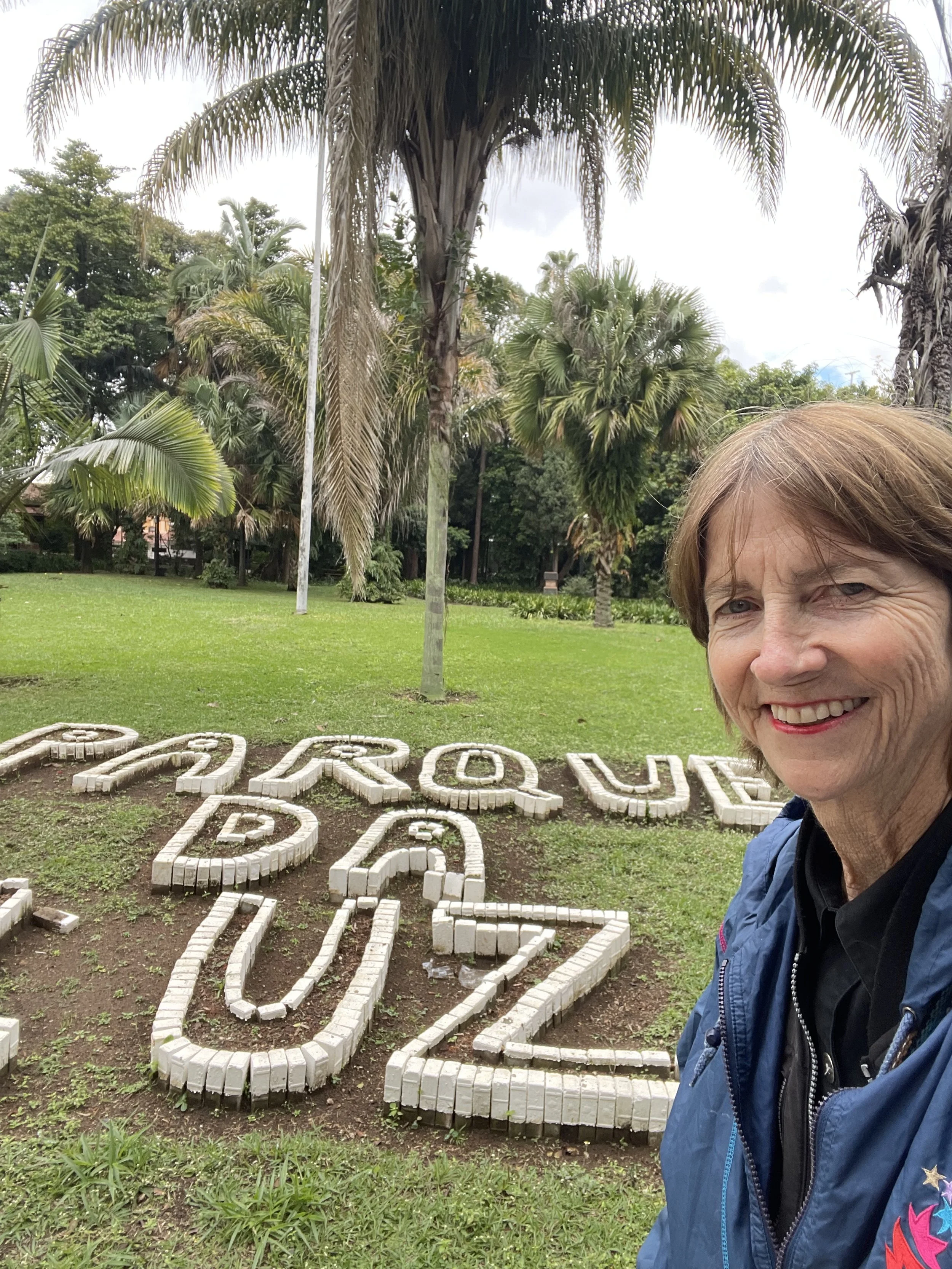
When I first arrived in Luz, I got off at Luz station. Beautiful building. Ornate. The Portuguese Language Center was located there, too, in the Parque de Luz. The police were guarding, but felt safe. Beautiful trees and a fresh smell after the rain. Walked to the Pina Art Museum. Lots of school groups. Modern. Plus some traditional: films, sculptures, paintings, 3d designs.
Walked over a bridge to a long street still close to Luz. Walked about a mile. Stores and parking garages mostly. Optical, toys, and industrial products. Found Church of San Bento. Praying for them and others in this beautiful building. No video allowed.
——————
My three Sao Paolo missteps:
Spilling yogurt all over me early in the morning. Table, clothes, floor, everywhere. What a mess. Be more careful around yogurt containers.
In the San Bento metro station, the Woman at the counter would not give me free subway access. She sent me to the ticket booth to buy a ticket. I showed my passport there, and she said, Go back there. So I did. I told her my age. Finally, she smiled and let me pass. Maybe I looked too young for the free transport.
Booking a room near the airport that was not in a good neighborhood. Lots of reasons not to walk at night. Bars on the doors and windows here.